
Nigeria Leads World in Grounded Aircraft as Fleet Crisis Drives Sky-High Fares
Credit:
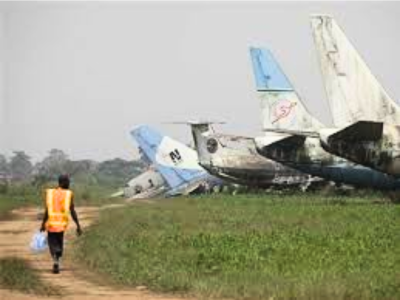
Nigeria now holds the unenviable distinction of having the highest number of grounded aircraft in the world, with more than 70 percent of its domestic fleet currently unserviceable.
A New Telegraph investigation revealed on Monday that planes are either stranded overseas for mandatory C-Checks or parked indefinitely at local airports due to a global shortage of spare parts and engines.
The paradox is striking. While carriers such as Air Peace and United Nigeria Airlines have announced new deliveries, one-way domestic fares have surged by between 130 and 250 percent in the final quarter of 2025. Tickets on peak December routes now cost between N350,000 and N700,000, pricing many Nigerians out of the skies.
Across the country, multimillion-dollar aircraft sit abandoned, rusting on tarmacs, symbolising the deep structural weaknesses of the aviation sector: a fragile economy, mismanagement, and the absence of local Maintenance, Repair, and Overhaul (MRO) facilities.
Industry insiders say the crisis is compounded by myths of market saturation. New aircraft are concentrated on the lucrative “Trunk A” routes—Lagos, Abuja, and Port Harcourt—while secondary cities remain underserved.
Allegations of cartel-like behaviour have also surfaced, with rivals accusing dominant carriers of deliberately flooding premium routes to squeeze out competition. ValueJet’s Chief Commercial Officer Trevor Henry told New Telegraph: “One or two airlines are flooding the market with capacity. That’s where authorities should step in. There’s no collaboration—it’s ‘let me kill you.’”
Seasonal demand has further distorted fares. December outbound flights to southeastern cities such as Owerri and January return journeys are heavily oversubscribed, driving prices higher despite added capacity.
The government’s recent removal from the Aviation Working Group watch-list has enabled Nigeria’s first dry-leases in a decade, potentially adding more than 40 aircraft by 2026. Yet experts warn that overcapacity on trunk routes masks a national undersupply, leaving vast regions underserved and consumers facing exorbitant fares.
Stakeholders are calling for urgent investment in local MRO facilities to reduce reliance on overseas maintenance, alongside regulatory intervention to break the cycle of high costs and low reliability. Without structural reforms, analysts caution, Nigeria’s aviation sector risks further decline, with passengers bearing the brunt of inefficiencies and airlines locked in destructive competition.











0 Comment(s)